
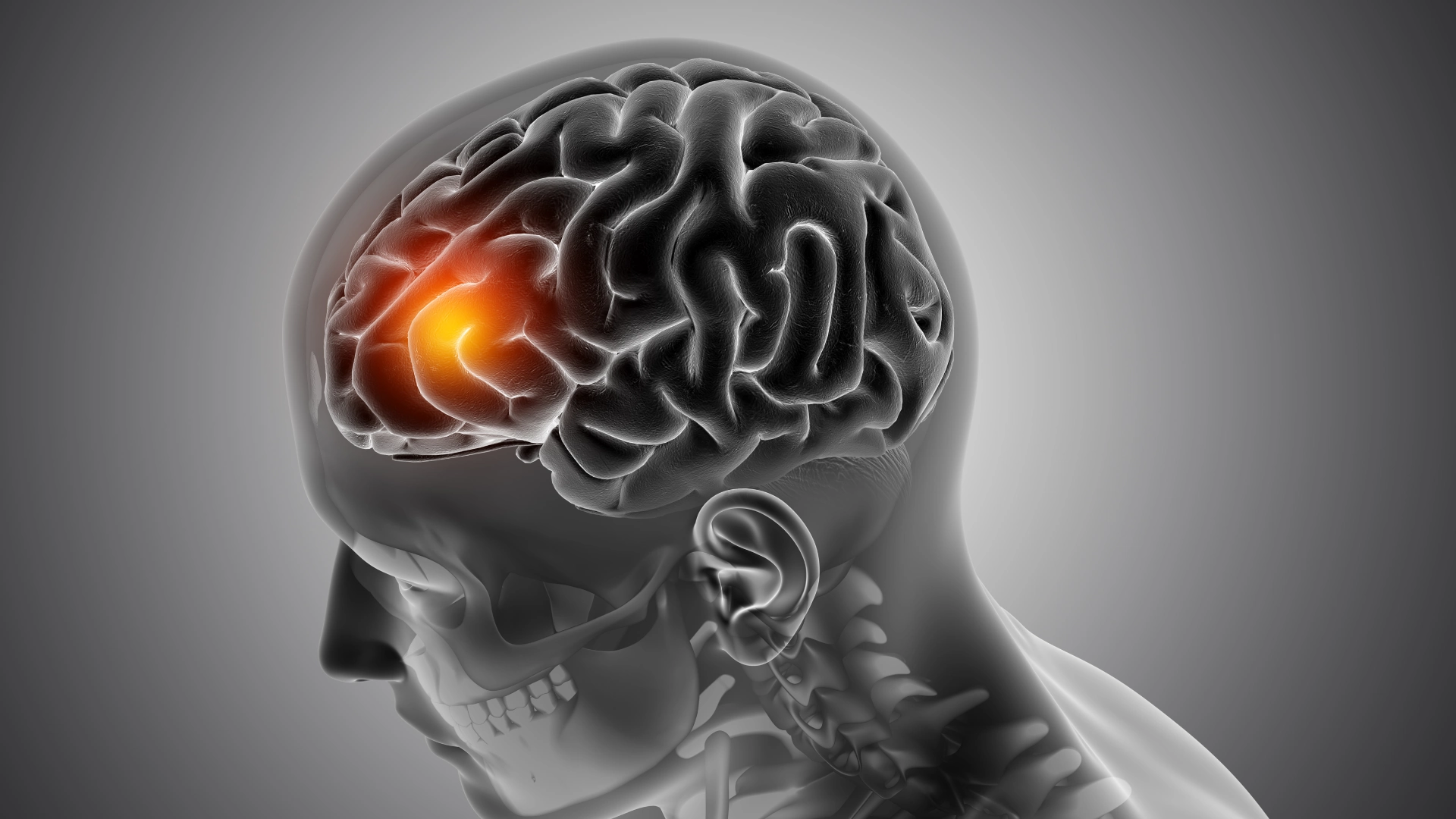
Early signs of brain tumour
Quick question before you read on: when was the last time you had a headache that felt genuinely different — not your usual stress headache, but one that came with something else, like nausea, blurred vision, or a strange moment of confusion? Most of the time, that combination means nothing sinister. But learning to notice unusual patterns and clusters of symptoms, rather than any single complaint in isolation, is exactly what separates early detection from delayed diagnosis.
Why Early Signs of Brain Tumour Are Easy to Miss
Brain tumours are relatively uncommon compared with other cancers, yet several hundred thousand people worldwide are diagnosed with one each year. The trouble is that the average gap between a person’s first symptom and their actual diagnosis often stretches to three months or more, largely because early symptoms are quiet, vague, and easy to blame on stress, aging, or everyday fatigue.
Symptoms depend less on whether a tumour exists and more on where it sits and how fast it grows. Even a very small tumour can trigger symptoms early if it presses on a sensitive part of the brain, while one growing in a “quieter” region may stay silent until it has grown considerably larger.
The Signs Worth Paying Attention To
Headaches with company, not headaches alone. A headache by itself is rarely the only warning sign. It becomes worth investigating when it’s a genuinely new or different type of headache that won’t resolve, or when it shows up alongside vision changes, weakness, or confusion.
Nausea and vomiting. These frequently accompany headaches and are often driven by rising pressure inside the skull.
A first-ever seizure. This is one of the more dramatic early signs of brain tumour. Seizures show up in an estimated 30–60% of brain tumour patients, and for some people, a seizure is the very first sign that something is wrong — even without any prior history of seizures.
Cognitive fog. This is one of the early signs of brain tumour that family members notice before the patient does. Studies suggest that as many as 80–90% of brain tumour patients experience some form of difficulty with thinking, memory, or attention, and subtle personality or memory shifts are frequently spotted by loved ones long before the person themselves feels anything is wrong.
Mood and personality shifts. Tumours in the frontal or temporal lobes can imitate a psychiatric condition. Damage in these regions can disrupt executive function, emotional regulation, and social judgment, producing irritability, apathy, or uncharacteristic disinhibition — a major reason these cases are so often misdiagnosed or delayed.
Vision problems, especially in children. Over half of children eventually diagnosed with a brain tumour had some eye-related sign beforehand — most commonly reduced visual sharpness, double vision, an abnormal optic nerve, or crossed eyes — and those who presented with eye symptoms first tended to have worse outcomes. A “just get their eyes checked” recommendation should never be brushed off.
A simple self-check: Ask honestly — is this symptom new? Is it persistent (weeks, not hours)? Is it happening alongside something else on this list? Two “yes” answers is your cue to book a doctor’s visit, not to start Googling symptoms at 2 a.m.
Building a Robust Diagnosis
Diagnosis is deliberately layered, moving from broad screening toward precise confirmation:
- Neurological examination — testing reflexes, coordination, vision, and mental status to help localize the problem.
- Imaging. MRI is generally the preferred test, with CT as a solid alternative when MRI isn’t feasible. Both are usually done with a contrast agent injected into a vein to make the tumour easier to see.
- PET scans, when needed, use a radioactive tracer that concentrates in fast-dividing cells, lighting up tumour tissue — useful for telling a genuine recurrence apart from prior-treatment changes.
- Biopsy — the definitive step. A tissue sample, taken during surgery or via a minimally invasive stereotactic biopsy (a small skull opening with a computer-guided needle), confirms the exact tumour type under a microscope, carrying a modest bleeding risk of around 5%.
- Molecular and genomic profiling of the tumour tissue, increasingly used to steer decisions toward targeted therapies.
Worth remembering: only about one in three brain tumours turns out to be cancerous — though even a non-cancerous (benign) tumour can impair brain function once it grows large enough to press on surrounding structures.
Treatment: Rarely a Single Approach
Standard treatment options include watchful waiting, surgery, radiation therapy, chemotherapy, and targeted therapy — drugs designed to attack cancer cells while sparing more of the surrounding healthy tissue. Most patients end up receiving a combination of these approaches rather than just one. For tumours that have spread to the brain from elsewhere in the body, stereotactic radiosurgery can deliver a concentrated, high-precision radiation dose in just one or a few sessions, while whole-brain radiotherapy spreads smaller doses across a longer course of treatment — often alongside newer targeted or immune-based systemic drugs.
The Takeaway
No single symptom on this list should cause panic on its own — but a cluster of symptoms that is new, persistent, and unexplained deserves a prompt conversation with a doctor. Early evaluation doesn’t just speed up diagnosis; it widens the range of treatments available and, in many cases, meaningfully changes the outcome.