Epilepsy in Adults: Myths, Facts & Modern Treatment Options
Epilepsy is one of the most misunderstood neurological conditions in the world. Despite affecting tens of millions of adults globally, it remains wrapped in outdated beliefs, fear, and silence. Many people still picture epilepsy as a single, dramatic event — someone collapsing and shaking uncontrollably — when in reality, the condition is far more varied and far more manageable than most assume.
This blog breaks down the common myths, lays out the facts, and walks through the modern treatment landscape that is changing what it means to live with epilepsy today.
What Epilepsy Actually Is
Epilepsy is a neurological disorder characterized by recurrent, unprovoked seizures caused by sudden bursts of abnormal electrical activity in the brain. A single seizure doesn’t mean someone has epilepsy — the diagnosis typically requires at least two unprovoked seizures, or one seizure combined with a high likelihood of recurrence based on brain imaging or EEG findings.
In adults, epilepsy can develop at any age. It may stem from childhood conditions that persist, or it can emerge later in life due to stroke, head trauma, brain tumors, infections, or — in a significant number of cases — for reasons that are never fully identified.
Myth vs. Fact
Myth 1: “Epilepsy always looks like violent convulsions.”
Fact: Seizures come in many forms. Generalized tonic-clonic seizures (the convulsive type most people picture) are just one category. Focal seizures may cause brief confusion, repetitive movements, a blank stare, unusual sensations, or temporary loss of awareness without any shaking at all. Some seizures are so subtle that bystanders — and even the person experiencing them — don’t immediately recognize what happened.
Myth 2: “You should put something in a seizing person’s mouth so they don’t swallow their tongue.”
Fact: It’s physically impossible to swallow your own tongue. Forcing an object into someone’s mouth during a seizure can break teeth, injure the jaw, or cause choking. The correct response is to gently turn the person onto their side, cushion their head, clear the area of hard or sharp objects, and time the seizure — calling emergency services if it lasts longer than five minutes.
Myth 3: “Epilepsy is a mental illness or a sign of low intelligence.”
Fact: Epilepsy is a physical neurological condition, not a psychiatric disorder, and it has no inherent link to intelligence. While some people with epilepsy may experience co-occurring anxiety or depression — often related to the stress of living with unpredictable seizures — this is a separate issue, not a defining feature of the condition itself.
Myth 4: “People with epilepsy can’t live normal lives — they can’t drive, work, or have children.”
Fact: With appropriate treatment, most adults with epilepsy lead full, independent lives, including careers, relationships, and parenthood. Driving regulations vary by region and usually depend on how long someone has been seizure-free, but many people with well-controlled epilepsy do drive legally. Pregnancy requires specialized care and medication adjustments, but most women with epilepsy have healthy pregnancies.
Myth 5: “Epilepsy is contagious or caused by something the person did wrong.”
Fact: Epilepsy cannot be transmitted from person to person, and it isn’t caused by moral failing, poor lifestyle choices, or punishment for past actions. Causes are biological — genetic factors, brain injury, stroke, infection, or structural brain differences.
Myth 6: “If medication doesn’t work, there’s nothing else to be done.”
Fact: This is far from true today. While roughly two-thirds of people achieve seizure control with medication alone, a growing number of advanced options exist for the remaining cases, discussed below.
How Epilepsy Is Diagnosed
Diagnosis usually involves a combination of:
- Detailed clinical history — understanding what happens before, during, and after episodes
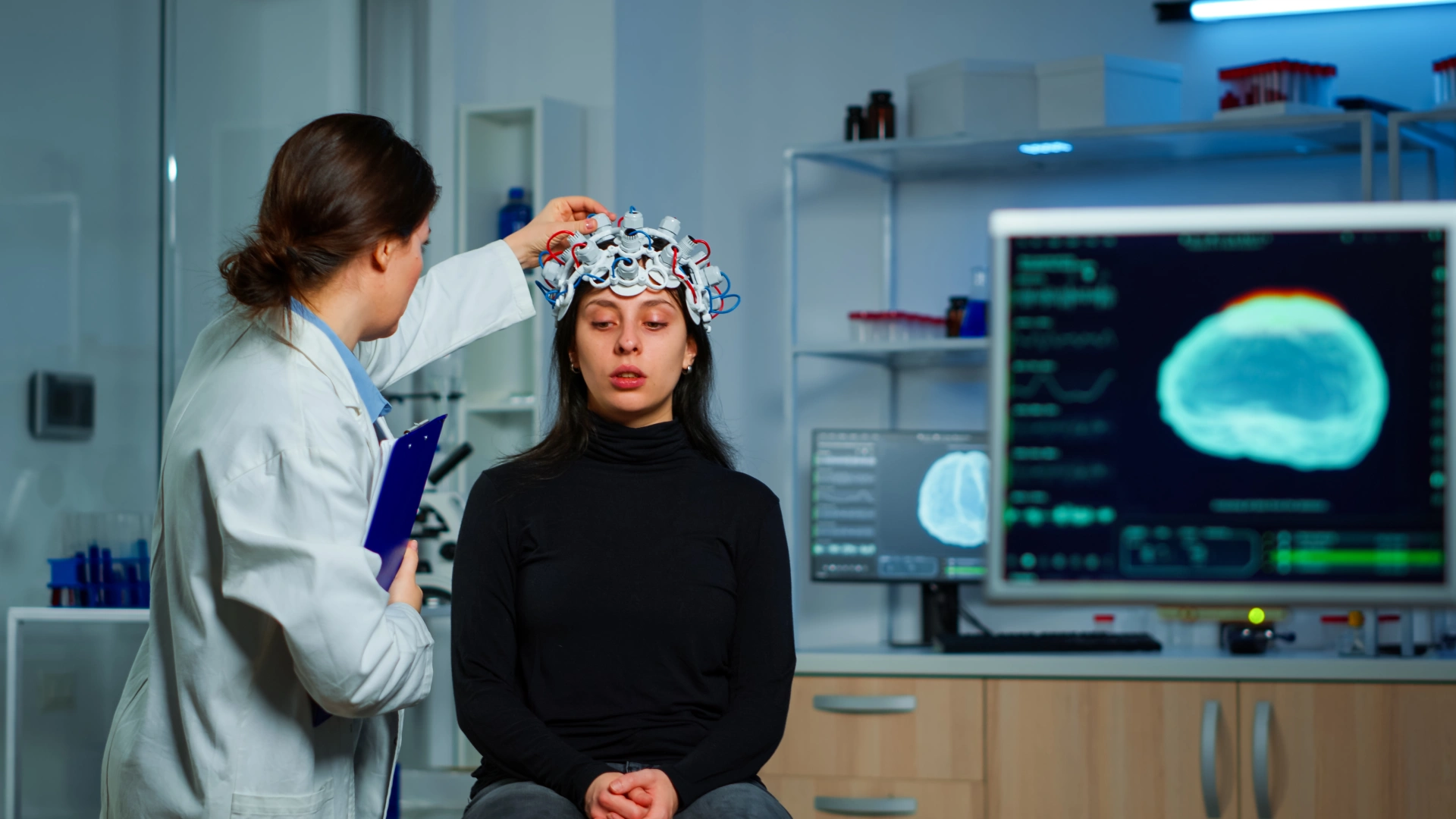
- Electroencephalogram (EEG) — recording electrical activity in the brain to detect abnormal patterns
- MRI or CT imaging — identifying structural causes such as scarring, tumors, or malformations
- Blood tests — ruling out metabolic or infectious causes
- Video-EEG monitoring — in more complex cases, capturing an actual seizure on camera alongside EEG data for precise classification
Getting an accurate diagnosis matters enormously, since the type of epilepsy directly shapes which treatments are likely to work.
Modern Treatment Options
- Antiseizure Medications (ASMs)
Medication remains the first-line treatment for most adults. Newer-generation drugs — such as levetiracetam, lamotrigine, and lacosamide — tend to have more favorable side-effect profiles and fewer drug interactions compared to older medications like phenytoin or phenobarbital. Treatment is highly individualized, often requiring some trial and adjustment to find the right drug and dose with the fewest side effects.
- Dietary Therapy
The ketogenic diet, long used in children with drug-resistant epilepsy, has shown benefit in some adults as well, particularly modified versions like the low-glycemic-index treatment or modified Atkins diet, which are easier to sustain long-term.
- Neurostimulation Devices
For people who don’t respond adequately to medication, several implantable devices can help reduce seizure frequency:
- Vagus Nerve Stimulation (VNS): A device implanted near the collarbone sends regular electrical pulses to the brain via the vagus nerve.
- Responsive Neurostimulation (RNS): A device implanted in the skull detects abnormal brain activity and delivers electrical stimulation to stop a seizure before it fully develops.
- Deep Brain Stimulation (DBS): Electrodes placed in specific brain regions deliver continuous mild stimulation to reduce seizure activity.
- Epilepsy Surgery
When seizures originate from a clearly identified, removable area of the brain, surgery can offer significant — sometimes complete — seizure control. Advances in brain mapping and minimally invasive techniques, such as laser interstitial thermal therapy, have made surgical options safer and more precise than in previous decades.
- Emerging and Precision Therapies
Genetic testing is increasingly used to identify specific epilepsy syndromes, which can guide more targeted drug choices. Researchers are also exploring cannabidiol-based treatments, gene therapy approaches, and closed-loop stimulation systems that adapt in real time to a person’s unique brain activity patterns.
Living Well With Epilepsy
Beyond medical treatment, lifestyle factors play a meaningful role in seizure management:
- Maintaining consistent sleep schedules, since sleep deprivation is a common seizure trigger
- Managing stress through therapy, mindfulness, or support groups
- Avoiding excessive alcohol and recreational drug use, which can interfere with medications and lower seizure threshold
- Keeping a seizure diary to track patterns, triggers, and medication effects
- Wearing medical identification and informing close contacts about what to do if a seizure occurs
The Bigger Picture
Epilepsy in adults is not a life sentence of limitation — it’s a manageable medical condition with an expanding toolkit of effective treatments. The biggest barrier for many people isn’t the condition itself, but the misinformation and stigma surrounding it. Replacing outdated myths with accurate understanding helps people seek diagnosis sooner, follow effective treatment plans with confidence, and live without unnecessary shame or fear.
If you or someone you know is dealing with seizures, the most important step is a proper neurological evaluation. Epilepsy looks different for everyone, and treatment should too.