
Brain Tumours: Understanding the Growth That Disrupts the Brain’s Balance
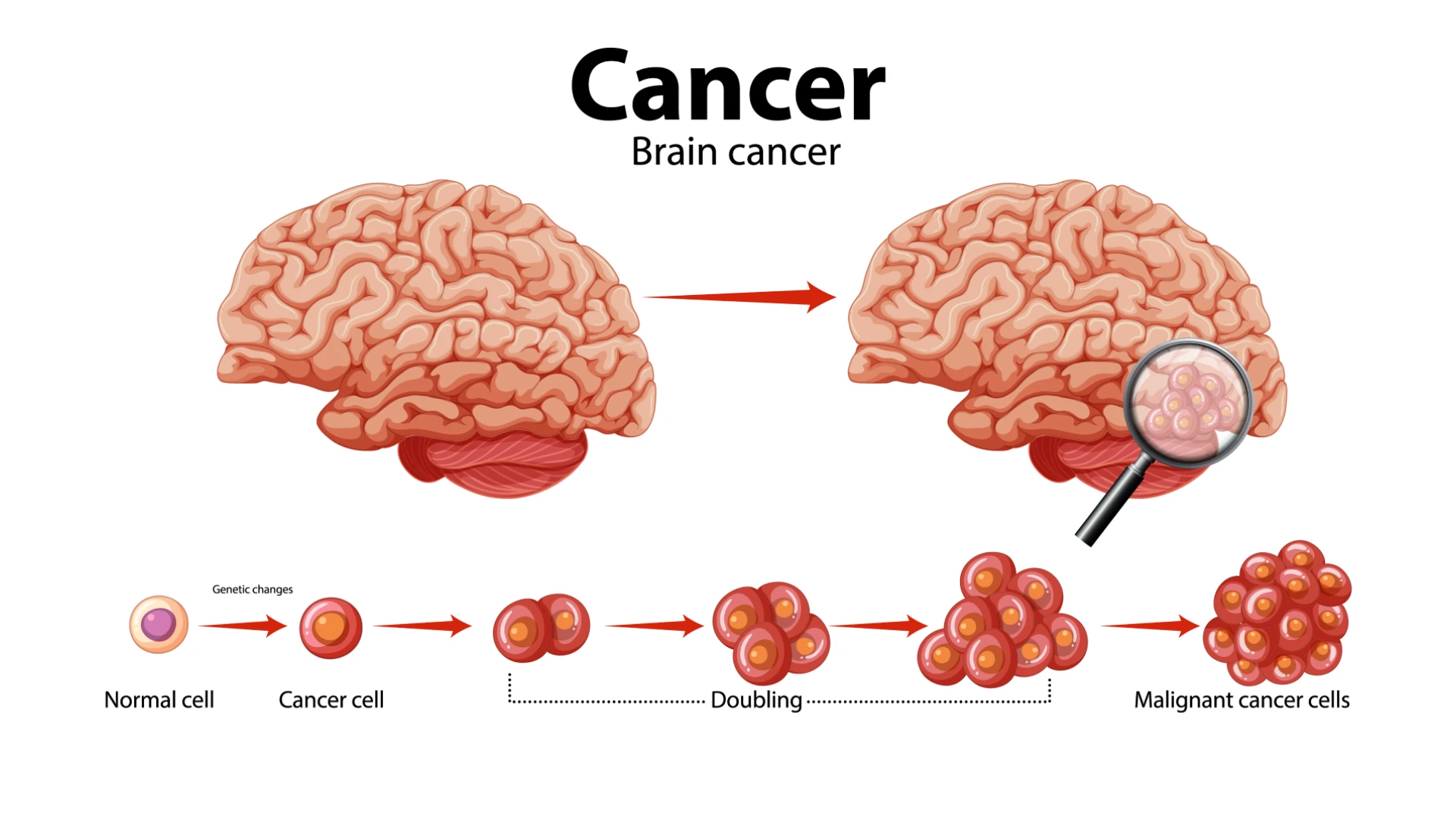
The brain is a tightly regulated command center where every millimeter matters. When an abnormal growth develops within this limited space, even a small change can have wide-ranging effects. That is why brain tumours are not defined only by size or malignancy, but by how they interfere with normal brain function.
Understanding brain tumours helps replace fear with clarity—and enables timely action.
What Is a Brain Tumour?
A brain tumour is an abnormal growth of cells within the brain or its surrounding structures. These cells grow in an unregulated manner and can compress, invade, or disrupt nearby brain tissue.
Brain tumours may be:
- Benign (non-cancerous) – slower growing, well-defined
- Malignant (cancerous) – aggressive, infiltrative, and fast growing
Importantly, even benign tumours can be serious because the brain has limited room to accommodate any growth.
Primary vs Secondary Brain Tumours
Primary Brain Tumours
These originate in the brain itself. Common examples include:
- Gliomas
- Meningiomas
- Pituitary tumours
Secondary (Metastatic) Brain Tumours
These occur when cancer from another part of the body spreads to the brain. They are more common than primary malignant brain tumours.
Knowing the origin is crucial for planning treatment.
How Brain Tumours Cause Symptoms
Symptoms depend more on location than size.
A tumour may cause problems by:
- Increasing pressure inside the skull
- Compressing nearby brain tissue
- Interfering with nerve signaling
- Blocking cerebrospinal fluid flow
This explains why two people with similar-sized tumours may experience entirely different symptoms.
Common Warning Signs You Should Not Ignore
Brain tumour symptoms often develop gradually but may sometimes appear suddenly.
Watch for:
- Persistent or worsening headaches, especially in the morning
- Seizures with no prior history
- Changes in vision, speech, or hearing
- Weakness or numbness on one side of the body
- Memory loss or personality changes
- Difficulty with balance or coordination
- Nausea or vomiting without digestive cause
Ask yourself: Is this symptom new, persistent, or progressively worsening?
Are Brain Tumours Painful?
Not always. The brain itself does not feel pain. Headaches usually result from:
- Increased intracranial pressure
- Stretching of pain-sensitive structures
- Fluid buildup
This is why headaches related to brain tumours often behave differently from common headaches.
How Are Brain Tumours Diagnosed?
Diagnosis involves a combination of:
- Detailed neurological examination
- Brain imaging such as MRI or CT scans
- Advanced imaging for tumour characterization
- Biopsy in selected cases to confirm tumour type
Accurate diagnosis is the foundation of effective treatment.
Treatment: More Than One Approach
Brain tumour treatment is highly individualized and depends on:
- Tumour type and grade
- Location in the brain
- Patient’s age and overall health
Management may include:
- Surgical removal
- Radiation therapy
- Chemotherapy or targeted therapy
- Observation with regular follow-up in selected cases
The goal is to control the tumour while preserving neurological function.
Life After a Brain Tumour Diagnosis
A brain tumour diagnosis affects not just the body, but emotions, family, and daily life. Rehabilitation, psychological support, and long-term monitoring are often essential parts of care.
Advances in neuroscience and treatment have significantly improved outcomes for many patients.
Myths vs Reality
- Myth: All brain tumours are cancerous
Reality: Many are benign and manageable - Myth: Brain tumours always cause severe headaches
Reality: Symptoms vary widely - Myth: A brain tumour diagnosis means no future
Reality: Many people live long, meaningful lives with proper care
Bottom Line
Brain tumours are complex, but knowledge brings empowerment.
Recognizing symptoms early, seeking expert evaluation, and understanding treatment options can dramatically influence outcomes.
In brain health, listening to subtle changes matters—because early attention often changes the entire story.