Brain stroke causes long-term and, in some cases, lifelong disability if not addressed promptly in time. In other words, a brain stroke is a serious and often life-threatening medical emergency condition. These are the potential risks associated with stroke: brain injury, long-term disability, and paralysis. The risk of sudden death is also high with stroke.
Why is a better understanding of stroke important?
First of all, stroke is a medical emergency, and its aftereffects are long-lasting. The next thing is that a majority of people don’t have any idea or clue whatsoever as to what to do when a stroke strikes suddenly. Therefore, a better understanding, awareness of signs and symptoms, and potential consequences is a must as far as stroke is concerned.
The next important aspect is that the sooner one acts, the better. It is as simple as this – a swift and responsive action can prevent potential damage to the brain, long-term disability, and save a life.
The need of the hour is this: one must learn how to act swiftly when a stroke strikes suddenly.
Blood vessels narrow over a period of time, and the arteries supplying blood to the brain get blocked suddenly due to plaque formation in them. The narrowing down of arteries and plaque formation is a progressive and continuous process that occurs due to fatty acid deposits. When the blood supply to the brain stops, suddenly brain stroke strikes. The risk factor for brain stroke is uncontrolled and high blood cholesterol levels. The risk of fatty acid deposits and plaque formation increases with obesity, unhealthy lifestyle, diabetes, and high cholesterol levels in the blood.
Types of Strokes
Ischemic Stroke
The blockage of arteries that supply blood to the brain due to plaque formation or blood clot formation results in a type of stroke called ischemic stroke. This is the most common type of brain stroke.
Haemorrhagic stroke
When the blood vessels burst and bleed inside the brain, a stroke occurs. This type of stroke is known as a haemorrhagic stroke.
Ischemic Attack (TIA)
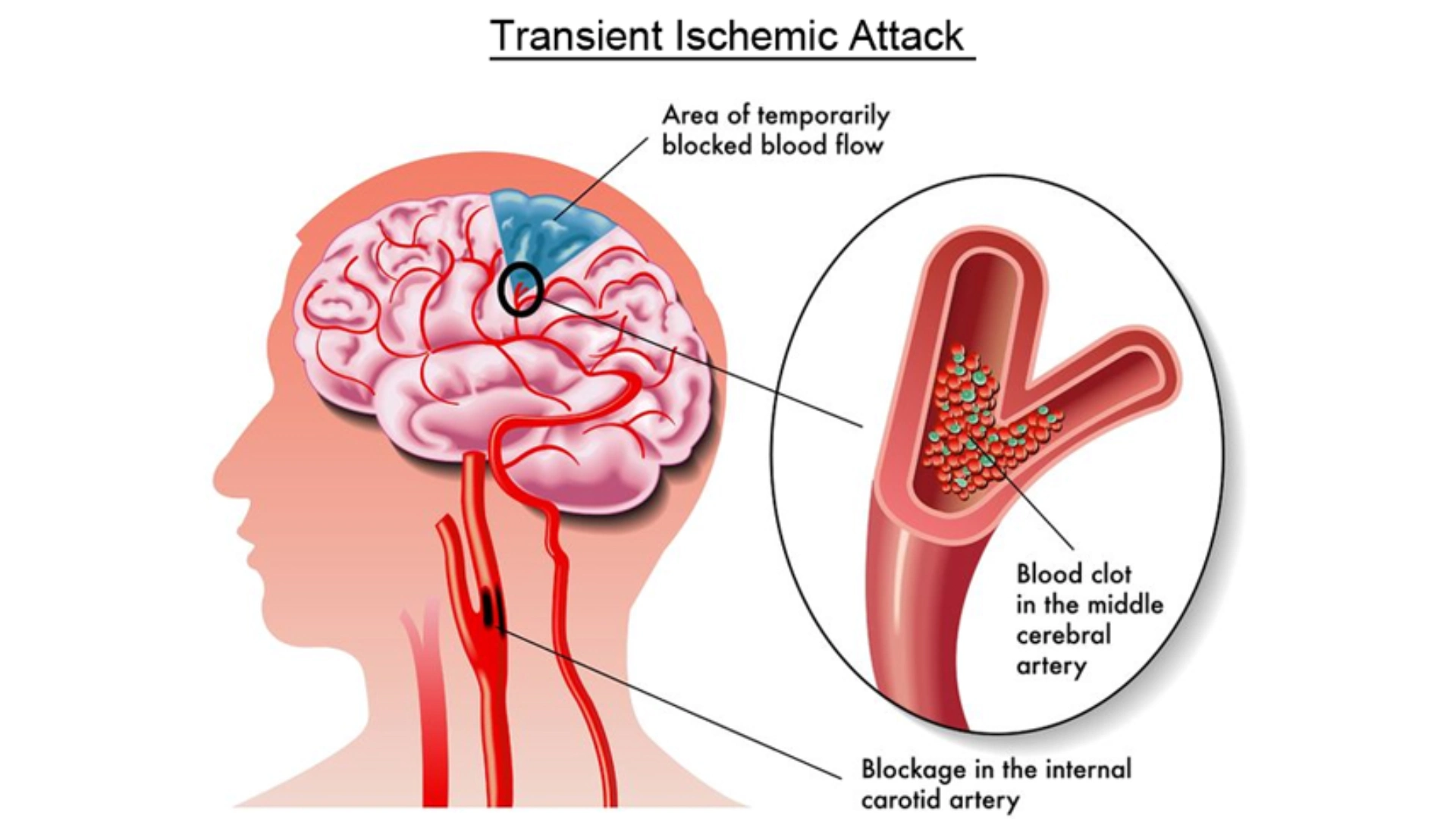
Unlike a full-blown stroke, the blockage and interruption in the supply of blood to the brain are temporary or for a short duration. This type of stroke is known as Trans ischemic Attack (TIA). Stroke may continue for up to 20 to 30 minutes or more, or may last up to several hours. A person can experience TIAs once or twice or more times. In any case, the risk associated with this type of stroke is very high in people who are obese, have high blood pressure, and high cholesterol levels. If someone experiences TIAs, the risk of future full-blown stroke is very high. Prompt treatment in the beginning can mitigate the future risk of stroke.
The warning signs of stroke
Sudden weakness, numbness in one arm or one leg or one side of the body, dizziness, loss of balance, drooping face, speech disturbances – trouble speaking or understanding, uneven smile, slurred speech, blurred vision, trouble seeing, sudden severe headache, confusion, trouble in coordination and trouble walking are the typical signs and symptoms of stroke.
Unique Symptoms of Stroke in Women
Women tend to experience some unique signs and symptoms of stroke, including weakness, fainting, body aches, nausea and vomiting, agitation, hiccups, seizures, extreme weakness in arms and legs, hallucinations, shortness of breath, and behavioural changes.
FAST test for the Identification of Stroke
This is an important test for the identification of stroke. Someone with a better understanding and knowledge of signs and symptoms of stroke can quickly and easily identify the most eminent signs and symptoms of stroke that are designated as FAST. This test helps in quickly identifying the following signs of stroke quite diligently.
Face: Drooping face is a prominent sign, and the smile becomes uneven.
Arms: Weakness in one or both arms. The quickest test is to see whether the person experiencing the typical signs of stroke can hold their arms up and raise.
Speech: Slurred speech (difficulty speaking -inability to pronounce words properly while speaking is another prominent sign).
Time: Time is very important – act fast if you notice all the above symptoms.
Swift and responsive action can prevent disability. Life-threatening consequences and save lives. Time and quick action are important as it is a key to successful treatment.
Diagnosis of Stroke
Diagnosis for stroke is based on physical and clinical examination of the patient, and the signs and symptoms that the patient experienced before and after experiencing stroke. Based on the present symptoms, associated conditions and past medical history of the patient – if the neurologist suspects anything unusual he or she may recommend brain or MRI scans. But the diagnostic tests and scanning tests depend on the symptoms and severity of the condition.