
Encephalopathy: A Clear, Compassionate Guide to Brain Dysfunction
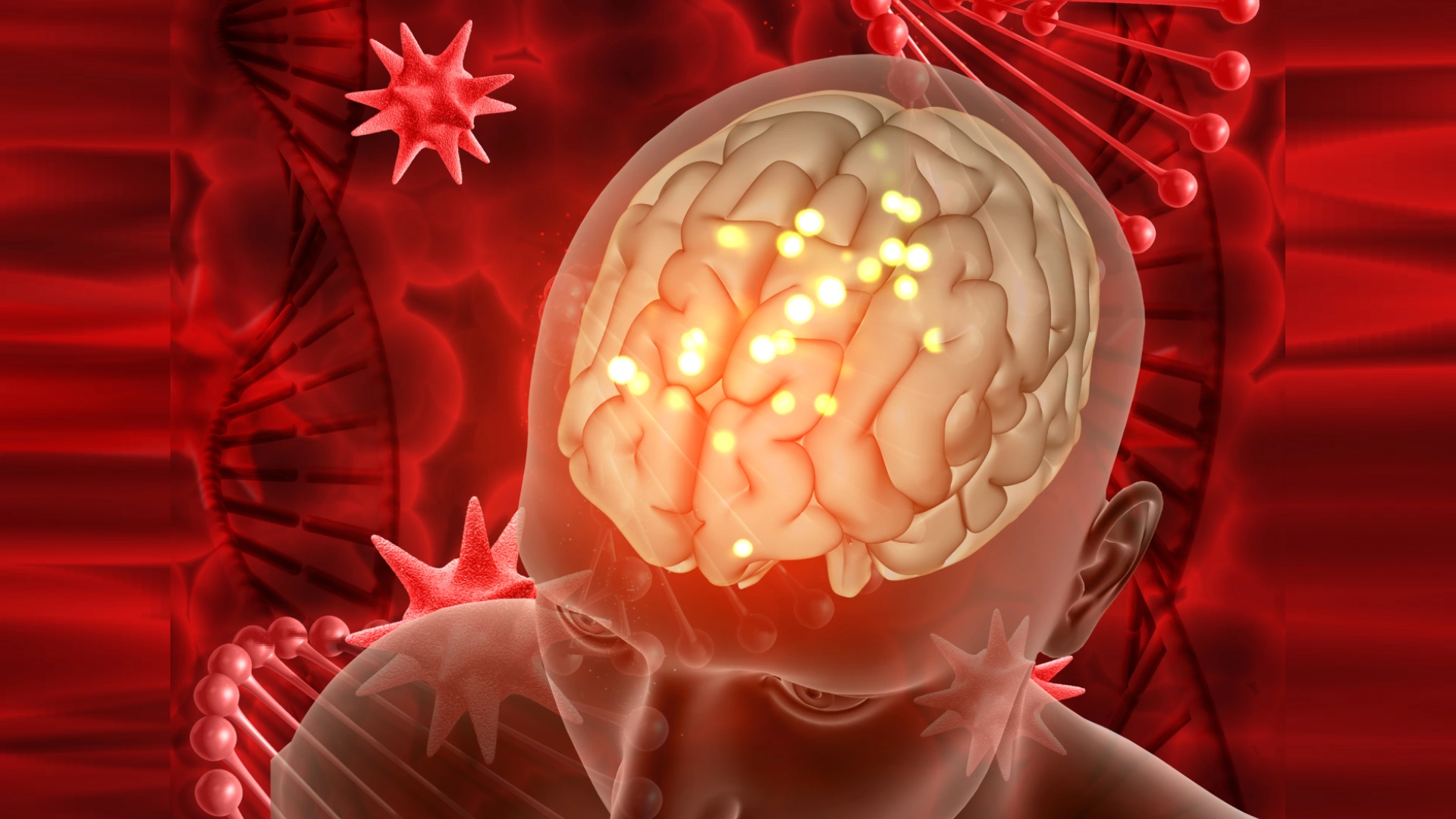
Imagine your brain as the control center of your body—responsible for thought, movement, sensation, and balance. When the brain’s normal function is disrupted, it can lead to a condition known as encephalopathy. Rather than being a single disease, encephalopathy is a syndrome, meaning it’s a collection of symptoms with many possible causes.
This guide explains what encephalopathy is, how it develops, what symptoms to watch for, how it’s diagnosed, and what treatment options are available.
What Is Encephalopathy?
Encephalopathy refers to any condition that disrupts brain function or structure. This disruption can be temporary or permanent and results from a variety of medical causes.
Unlike a specific disease, encephalopathy describes the effect on the brain—such as confusion, altered consciousness, or memory problems—rather than one single pathology.
How Does Encephalopathy Happen? Core Mechanisms
The brain needs a steady supply of oxygen, nutrients, and balanced chemicals (like electrolytes) to function. Encephalopathy can occur when any of these are disturbed. Common underlying mechanisms include:
- Reduced oxygen supply to the brain (hypoxia)
- Toxic buildup from liver or kidney failure
- Inflammation due to infection
- Metabolic imbalances such as low blood sugar
- Toxins or drugs affecting brain chemistry
- Structural damage such as trauma or stroke
Although diverse in cause, most forms of encephalopathy affect brain cells’ ability to communicate and perform normal functions.
Common Types of Encephalopathy
Encephalopathy can be subclassified based on its cause or pattern. Some of the more frequently recognized types include:
1. Hepatic Encephalopathy
Occurs when the liver cannot remove toxins from the blood, allowing substances like ammonia to reach the brain. This often develops in people with severe liver disease or cirrhosis.
2. Metabolic Encephalopathy
Triggered by electrolyte imbalances, kidney failure, severe diabetes, or thyroid dysfunction. These metabolic disruptions interfere with cellular energy and brain signaling.
3. Hypoxic-Ischemic Encephalopathy
Caused when the brain does not receive enough oxygen, as can happen in cardiac arrest, respiratory failure, or choking. Lack of oxygen damages brain tissue rapidly.
4. Wernicke Encephalopathy
Linked to thiamine (vitamin B1) deficiency, often seen in chronic alcoholism or severe malnutrition. It can lead to confusion, eye movement abnormalities, and coordination problems.
5. Infectious Encephalopathy
Occurs when a virus, bacteria, or other pathogen infects the brain. Encephalitis—an inflammation of the brain—is a related condition.
Each type has distinct triggers, onset patterns, and treatment strategies.
Signs and Symptoms: What to Watch For
Encephalopathy can manifest suddenly or gradually. Symptoms may vary depending on severity and cause, but commonly include:
- Confusion or disorientation
- Memory loss or difficulty concentrating
- Personality changes or agitation
- Altered level of consciousness (from lethargy to coma)
- Poor coordination or balance
- Seizures
- Tremors or involuntary movements
- Speech difficulties
In severe cases, encephalopathy can progress to coma or life-threatening brain dysfunction.
How Is Encephalopathy Diagnosed?
Diagnosing encephalopathy involves uncovering both the brain dysfunction and its underlying cause. Typical steps include:
- Medical history and physical examination
- Neurological assessments to evaluate cognition, reflexes, and motor skills
- Blood tests to check metabolic status, toxins, organ function, and infections
- Brain imaging (CT or MRI) to examine structural abnormalities or inflammation
- Electroencephalogram (EEG) to detect abnormal brain activity
- Lumbar puncture (in suspected infection)
Effective diagnosis depends on identifying the root cause and recognizing the patterns of brain dysfunction.
Treatment: Targeting the Cause and Supporting the Brain
There is no universal cure for encephalopathy, since treatment must address the specific cause. General treatment principles include:
Treat Underlying Conditions
- Medications to reduce toxins in hepatic encephalopathy
- Correcting electrolyte or metabolic imbalances
- Antibiotic or antiviral therapy for infections
- Thiamine supplementation in nutritional deficiency
Supportive Care
- Ensuring adequate oxygenation and stable blood pressure
- Managing seizures or abnormal movements
- Nutritional support and hydration
- Monitoring in intensive care for severe cases
Rehabilitation
Recovery may require physical, occupational, or cognitive therapy when encephalopathy causes lingering effects.
Prompt identification and treatment often improve outcomes significantly.
When to Seek Medical Help
Seek urgent medical attention if someone experiences:
- Sudden confusion, agitation, or disorientation
- Persistent or worsening lethargy
- Seizures
- Inability to wake up
- Rapid decline in mental function
Encephalopathy can be life-threatening if not addressed quickly. Early intervention improves the chance of stabilizing brain function.
Living with or Recovering from Encephalopathy
Long-term outlook depends on cause, severity, and how quickly treatment begins. Some forms, like mild metabolic encephalopathy, may resolve fully with treatment. Others may lead to persistent cognitive or neurological changes.
Recovery support often includes:
- Ongoing management of chronic conditions
- Cognitive rehabilitation therapy
- Lifestyle and dietary adjustments
- Family support and caregiver education
Collaborative care improves both neurological function and quality of life.
Conclusion
Encephalopathy describes abnormal brain function due to diverse causes such as liver failure, oxygen deprivation, metabolic imbalance, or infection. While symptoms can range from mild confusion to coma, early diagnosis and targeted treatment are critical. Recognizing warning signs, understanding risk factors, and seeking appropriate medical care can make a significant difference in outcomes.