
Expert, Compassionate Care Tailored to Your Needs.
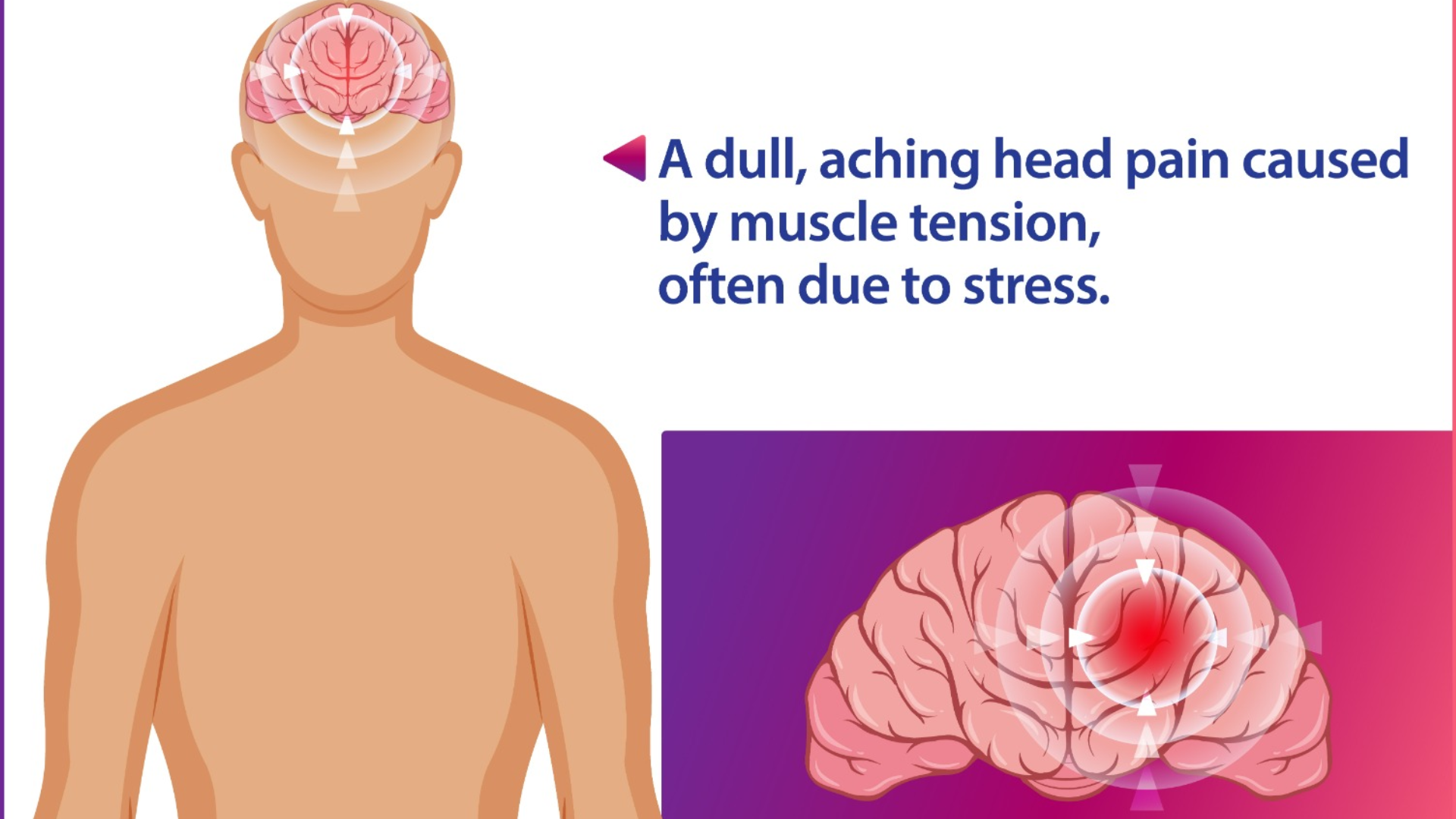
Have you ever felt a dull, tightening ache wrapping around your head like a band that just won’t loosen? That is not “just a headache.” It is often your body’s way of saying it is overwhelmed.
Stress or tension headaches are the most common type of headache, yet they are also the most underestimated.
What Exactly Is a Stress (Tension) Headache?
A stress or tension headache is typically caused by muscle tension and heightened nervous system sensitivity, often triggered by emotional stress, mental overload, poor posture, or prolonged screen time.
Unlike migraines, these headaches usually:
- Cause a constant, pressing, or tightening pain
- Affect both sides of the head
- Feel like pressure around the forehead, temples, or back of the head and neck
- Do not usually cause nausea or visual disturbances
They may start mild and gradually intensify, lingering for hours—or even days.
Why Stress Turns into Head Pain
Stress does not stay confined to your thoughts. It triggers a physical response:
- Muscles in the scalp, neck, and shoulders tighten
- Blood flow and nerve signaling change
- Pain-sensitive structures become overstimulated
Over time, repeated stress trains your body to “hold tension,” making headaches more frequent and harder to ignore.
Common Triggers You Might Be Overlooking
Stress headaches are often linked to everyday habits, such as:
- Long hours at a desk or screen without breaks
- Poor posture and neck strain
- Irregular sleep patterns
- Dehydration
- Skipping meals
- Emotional stress, anxiety, or mental fatigue
- Excessive caffeine or sudden caffeine withdrawal
Ask yourself: When was the last time I truly relaxed my shoulders and jaw?
Acute vs. Chronic Tension Headaches
- Episodic tension headaches occur occasionally, often during stressful periods.
- Chronic tension headaches happen 15 or more days a month and can significantly affect work, mood, and quality of life.
Chronic headaches are not “normal” and should never be ignored.
How Are Stress Headaches Managed?
Effective management is not just about painkillers. It requires addressing the root cause.
- Stress management techniques
- Regular sleep and hydration
- Posture correction and ergonomic changes
- Neck and shoulder stretching
- Mindfulness, relaxation, or breathing exercises
- Medical evaluation when headaches are frequent or worsening
Self-medication may offer temporary relief, but it does not solve the underlying problem.
When Should You Seek Medical Advice?
You should consult a doctor if:
- Headaches are becoming more frequent or severe
- Pain affects daily activities or concentration
- Headaches persist despite lifestyle changes
- You rely regularly on painkillers
Early evaluation can prevent progression from occasional discomfort to chronic pain.
Bottom Line
Your headaches due to stress are not a sign of weakness. They are a warning signal—a reminder that your body and mind need attention.
Instead of “pushing through the pain,” pause and listen.
Because when stress speaks through your head, ignoring it only makes it louder.